CUSTO DE VIDA
Rent in Canada fell: the official Q1 2026 numbers, city by city
In this article
Average asking rent for a 2-bedroom in Canada fell 0.9% to CAD 2,150. Vancouver, Toronto, Calgary and Halifax, with the official StatCan data.
Look, on Tuesday (June 9) the number I most wait for each quarter came out: Statistics Canada’s quarterly rent statistics. And it says something almost nobody planning the move believes when I say it: asking rent in Canada is falling. A little, 0.9% over 12 months, but falling. The average 2-bedroom apartment, across every metropolitan area in the country, is listed at CAD 2,150 a month, against CAD 2,170 a year ago.
How much is rent in Canada in 2026?
The national number: CAD 2,150 a month for a 2-bedroom apartment, averaged across all of the country’s census metropolitan areas (CMAs) in Q1 2026. This national composite is new, StatCan started publishing the all-CMA combined series this edition, with history back to early 2019, and it fell 0.9% compared with the same quarter of 2025.
But a national average hides what matters: the gap between cities is nearly double. Here’s the table:
| City | Asking rent (2-bedroom) | 12-month change |
|---|---|---|
| Vancouver | CAD 3,100 | -2.2% |
| Toronto | CAD 2,660 | -1.1% |
| Ottawa–Gatineau (Ontario part) | CAD 2,350 | -5.6% |
| Halifax | CAD 2,350 | +5.4% |
| Montréal | CAD 1,900 | -1.6% |
| Calgary | CAD 1,900 | -1.0% |
| Edmonton | CAD 1,580 | -0.6% |
Vancouver, where I live, is still the most expensive city in the country, CAD 3,100 for a 2-bedroom, but it was one of the biggest decliners among the large CMAs (-2.2%). The steepest drop was Ottawa–Gatineau, at -5.6%. And the counterpoint is Halifax: while the rest of the country eases, asking rent there rose 5.4% and tied Ottawa at CAD 2,350.
What is “asking rent”, and why does it matter more to you than average rent?
Asking rent is the rent posted in the listing, what the landlord is charging people apartment-hunting right now, collected by StatCan and CMHC from the country’s major listing platforms. It is not what current tenants pay: someone who has lived three years in the same apartment generally pays less, because lease increases are capped in most provinces.
And that is exactly why, if you are arriving, this is the right number. You won’t inherit anyone’s old lease, you’ll enter the market at the listing price. When someone tells you “my friend pays CAD 1,700 for a 2-bedroom in Vancouver”, the information may be true, but it describes his 2021 lease, not the market that will receive you in 2026.
The StatCan caveat is worth keeping: the estimates are experimental, they include the primary market (purpose-built rentals) and the secondary market (condos and houses rented out by the owner), and they exclude subsidized housing, collective dwellings and mobile homes.
Rent fell. Does that mean it will keep falling?
The release doesn’t say why it fell, and I won’t invent a cause. What the data shows is where it fell and by how much: declines in most large CMAs, smaller declines in the Prairies (Calgary -1.0%, Edmonton -0.6%), and a rise in Halifax. That alone changes practical decisions: a negotiation window exists today in Vancouver, Toronto and Ottawa in a way it didn’t two years ago, and it does not exist in Halifax.
To follow the trend, the data is quarterly: the next reading comes in September. I’d cross it with monthly inflation (the CPI also publishes a rent component) and, to compare cities against your family’s profile, with our cost-of-living comparator, which uses official data and an updated Canadian-dollar exchange rate.
What does this change if you’re planning the move?
Three practical things. First: budget with the asking rent of YOUR target city, not the national average. CAD 2,150 is a headline number; your reality will be CAD 1,580 in Edmonton or CAD 3,100 in Vancouver, a difference of CAD 1,520 a month, which over a year is more than CAD 18,000.
Second: use the decline as an argument, not a promise. Falling asking rent means landlords with units sitting empty longer. In Vancouver and Toronto that has become real room to negotiate a free month or included parking. But nobody guarantees the decline continues next quarter.
Third: if your plan is Nova Scotia, flip the reading. Halifax rose 5.4% while the country fell. The budget a 2024 video suggested for it is outdated in the wrong direction.
What would I do in your place?
I’d take my target city’s number from the table above, add 10% of slack, and only close the budget after looking at 20 real listings in that range, because an average hides neighbourhoods, and neighbourhoods are where life actually happens. It’s the mistake I saw the most people make (and that I almost made myself when I arrived): planning with the aggregate number and discovering, suitcase already unpacked, that the 2-bedroom near work costs 20% above the city average. The official data gives you the honest starting point; real listings give you the price of your actual life.
Frequently asked questions
How much does it cost to rent a 2-bedroom apartment in Canada in 2026?
Is rent in Canada going up or down?
What is the cheapest big city in Canada to rent?
What does asking rent mean?
Do these figures include subsidized housing or shared rooms?
Sources
- Statistics Canada, Quarterly rent statistics, first quarter 2026 (The Daily, June 9, 2026; program run with CMHC): https://www150.statcan.gc.ca/daily-quotidien/260609/dq260609c-eng.htm
StatCan’s next quarterly rent reading comes out in September 2026. Between one and the next, the rent component of the monthly CPI shows the direction, and the city comparator here on the blog always uses the latest official data.
The Vancouver Letter
You made it this far. That tells me something.
The Vancouver Letter is the letter I wish someone had sent me the third time I tried for Canada, when I had no idea what I was doing wrong. Once a week, straight to your inbox. No products, no courses, just what actually works. I got your back.
Get immigration updates
Practical tips straight to your inbox.
Related articles
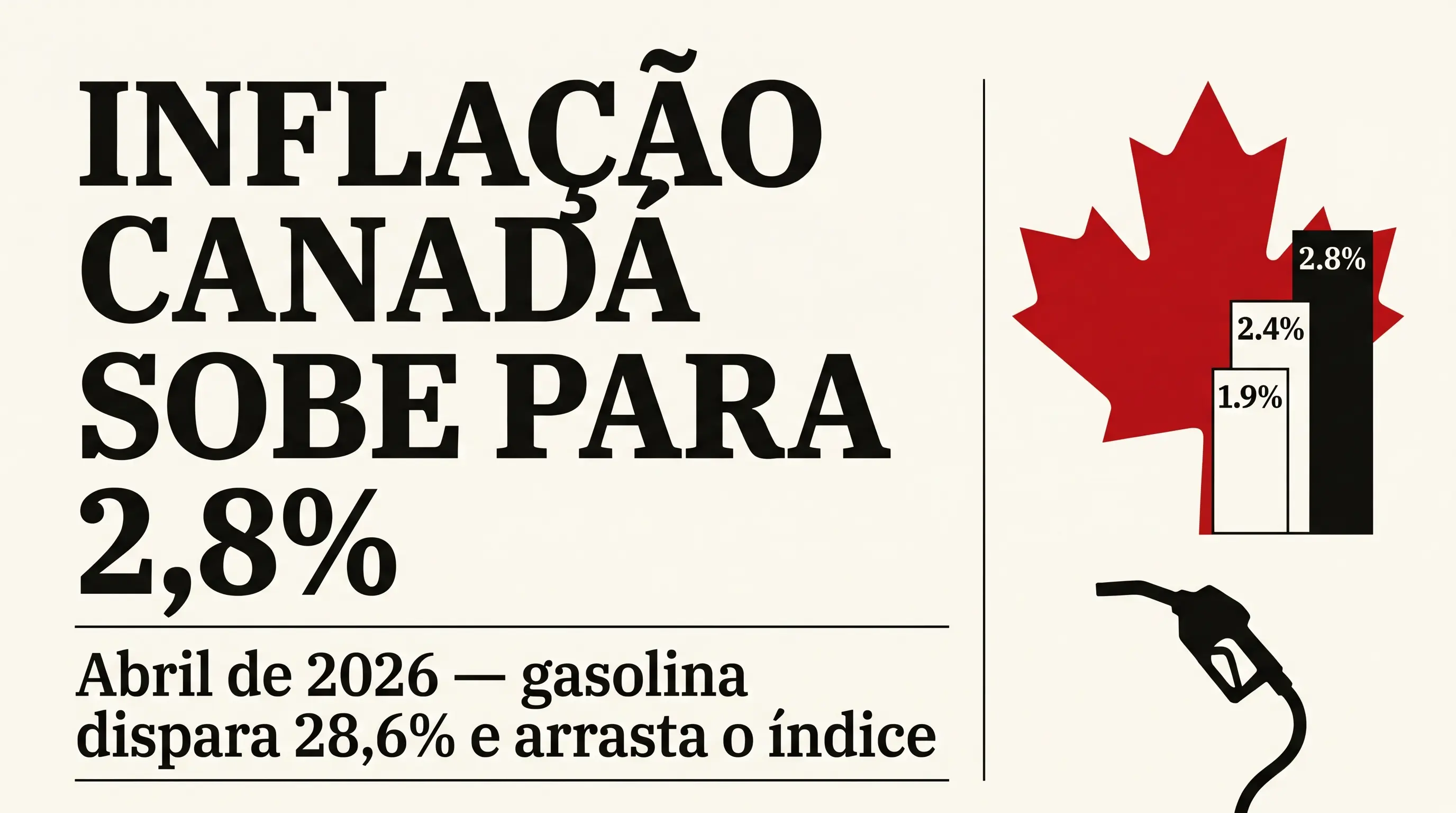
Inflation in Canada in April 2026: why CPI rose to 2.8%
CPI rose to 2.8% in April 2026 (was 2.4% in March). Gas jumped 28.6% and dragged everything up. Rent slowed, and in BC even more.
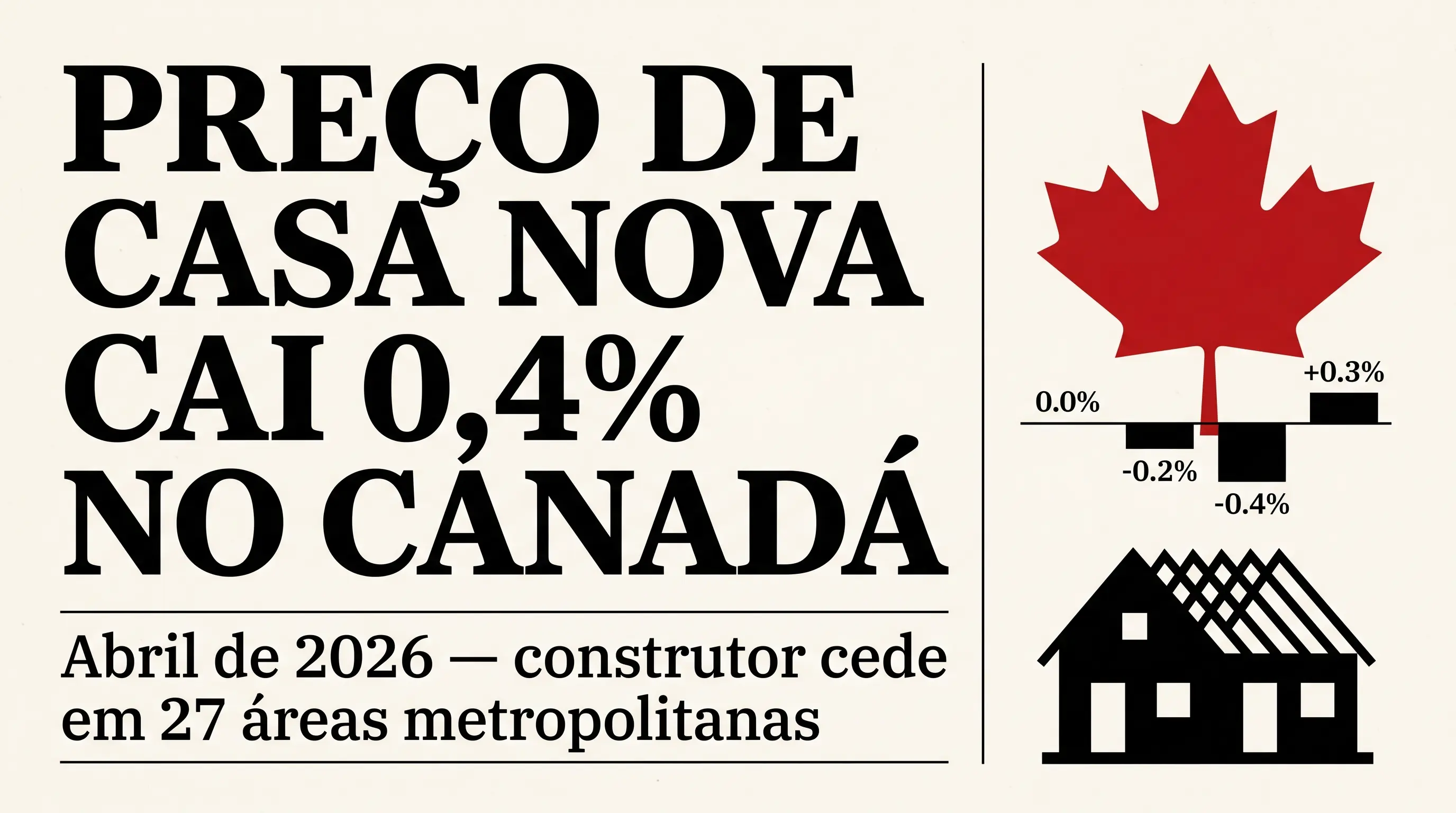
New home prices in Canada fall 0.4% in April 2026 (and what that tells you)
National NHPI fell 0.4% in April (monthly drop). Most provinces flat; the new-build market cooled. What it tells you if you want to buy.
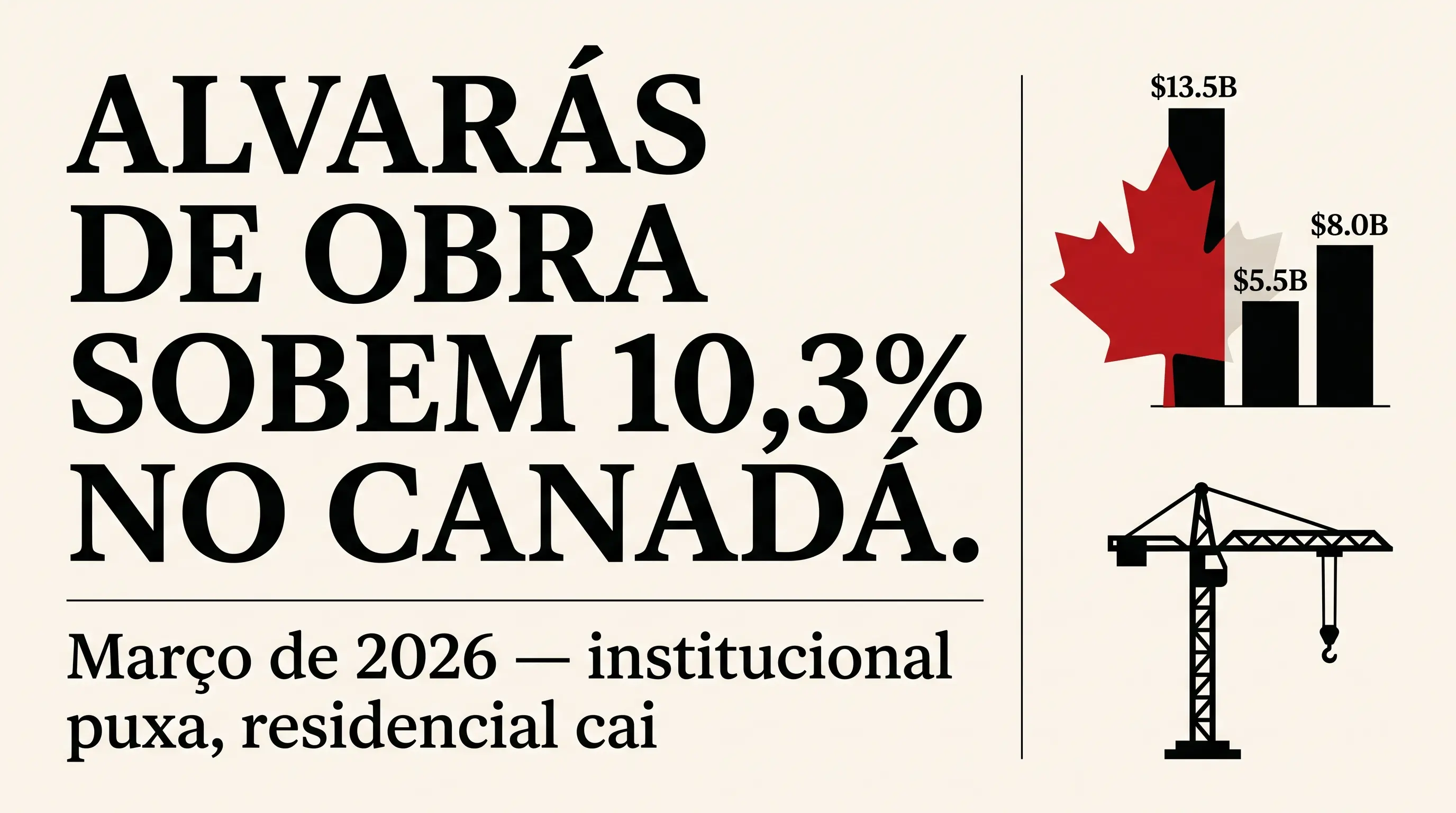
Canada building permits rise 10.3% in March 2026
Canada building permits hit CAD 13.5 billion in March (+10.3%). Vancouver led institutional with a hospital; multi-family fell in ON/QC.